

Most people assume gut healing requires a total lifestyle overhaul. The truth is, your digestive system responds beautifully to small but meaningful changes. Your gut lining, hormones, and microbiome are constantly adapting to your daily habits. When you support them with simple, predictable rhythms, digestion becomes easier, calmer, and more efficient.
Below are eleven realistic, evidence-informed shifts to help your gut feel and function better. These are the kinds of changes that compound over time, especially when you’re also thinking about circadian biology and the deeper quantum signals your cells respond to.
1. Don’t Skip Breakfast
When you go too long without eating, your gut bacteria lose their natural rhythm. Your microbiome has its own circadian clock, and skipping the first meal of the day can throw off blood sugar, cortisol, thyroid function, and digestive enzyme release. [1] [2] [3] [4]
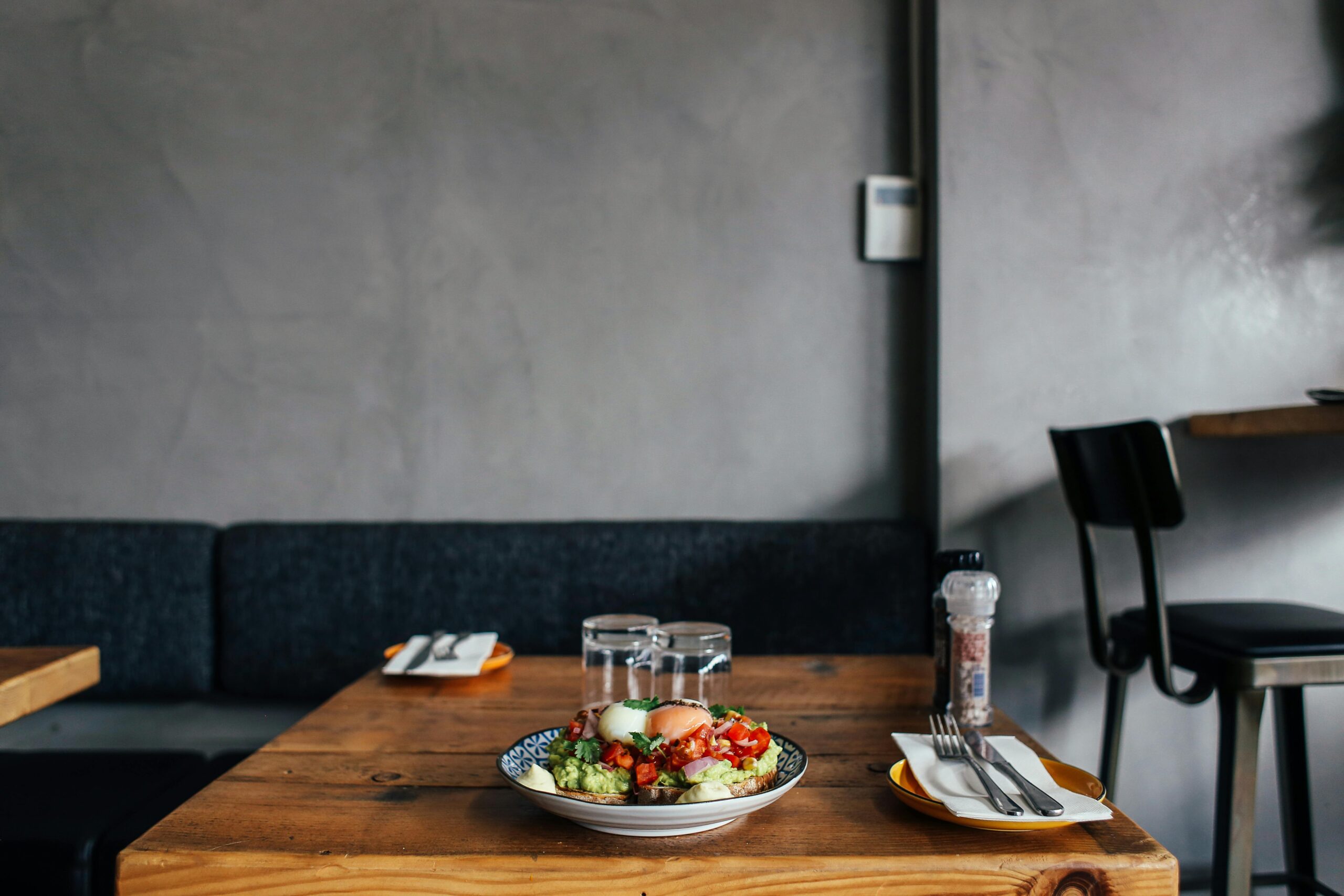
Try this: Start your morning with 25 to 30 grams of protein and colorful plants. A turkey and veggie scramble works beautifully, or lentils with sautéed greens if you prefer plant-forward meals. This signals to your gut bacteria, “It’s morning. Let’s go.”
Your gut bacteria shift their activity based on feeding cues. A morning meal stabilizes cortisol, sparks motility, and primes digestion for the rest of the day.
2. Front-load Your Fiber
Your microbiome thrives on fiber diversity, yet most people barely hit half of what their gut needs. You don’t have to overhaul your diet. Simply anchoring the day with fiber keeps digestion more stable. [5] [6] [7]
Try this: Add vegetables to every meal, even breakfast. Toss chia, flax, or hemp hearts into smoothies. Reach for berries after meals. These fibers feed the bacteria that soothe inflammation, regulate motility, and produce short-chain fatty acids that strengthen the gut lining.
- Add one extra vegetable to every plate
- Swap crackers for sliced cucumbers or carrots
- Keep frozen veggies on hand for quick meals
- Add seeds or berries to your morning routine
3. Chew More Than You Think You Need
Digestion begins in the mouth. When food isn’t well chewed, your stomach and small intestine work harder, and your microbiome ends up fermenting larger particles in ways that create gas and bloating. [8] [9]
Try this: Aim for 20 to 25 chews per bite. This slows your nervous system, supports enzyme activation, and reduces bloating.
Put your fork down between bites. Take a breath. Notice flavors. This alone can improve digestion.
4. Eat With Your Circadian Rhythm
Your gut has a day–night cycle just like your brain. It digests best earlier in the day. After sunset, stomach acid, bile flow, and enzyme output decrease. Your migrating motor complex also slows at night. [10] [11] [12]
This is a sweeping, wave-like motion that clears the small intestine between meals, helping prevent bacterial overgrowth.
Try this: Make breakfast and lunch your heartiest meals. Keep dinner lighter and finish eating 3 hours before bed. You’re aligning your digestion with the biology it already follows.
Your digestive tract contains its own circadian clocks that regulate enzyme release, motility, and microbial behavior. Timing your meals helps those clocks stay synchronized.
5. Hydrate Intentionally
Even mild dehydration slows motility and thickens the mucus layer that protects your gut lining. Your body tries to conserve moisture, so the mucus becomes more viscous, making it harder for nutrients to diffuse across it and harder for beneficial microbes to interact with the gut lining. On an electrical level, proper hydration and minerals support cellular communication and repair. [13] [14]
Try this: Start your morning with mineral-rich hydration. Add a pinch of sea salt or use an electrolyte like E-Lyte or Quinton. Sip consistently throughout the day rather than chugging.
If you’re up often at night to urinate, you likely need more electrolytes and to drink more earlier in the day. Avoid flavored or sweetened electrolyte products. Even no-calorie sweeteners can stimulate insulin release and interfere with metabolic signaling.
- Frequent nighttime urination
- Afternoon headaches
- Fatigue after drinking water
- Dizziness when standing
- Sluggish digestion
6. Eat the Rainbow (and Rotate Your Plants)
Your gut microbes respond directly to the variety of plants you eat. Each color contains unique fibers and polyphenols that feed different bacterial communities. This is one of the fastest ways to shift your microbiome. [15] [16]
Try this: Aim for 30 or more different plant foods each week. Rotate your fruits and vegetables instead of eating the same ones daily. Your microbes can shift within days.
- Swap spinach for arugula or bok choy
- Rotate berries
- Try a new herb each week
- Buy a different color of the same vegetable (purple carrots, orange cauliflower)
7. Support Your Gut With Morning Light
Your cells are light-sensitive, and so are your gut bacteria. Morning light helps regulate cortisol, melatonin, vagus nerve activity, and digestive signaling. This quantum-level communication aligns your gut with the natural light-dark cycles it evolved to follow. [17] [18]
Try this: Step outside for 5 to 10 minutes within an hour of waking. Morning light strengthens circadian rhythm and supports smoother digestion all day long.
- Boosts stomach acid production
- Strengthens gut motility
- Balances cortisol
- Improves glucose regulation
- Sets the tone for better sleep
8. Give Your Gut a Calm Nervous System
Digestion only happens when your body feels safe. Stress diverts blood flow away from your gut and toward your limbs, slowing stomach acid, enzymes, bile flow, and motility. [19] [20]
Try this: Pause before meals to breathe slowly or say a blessing. Place a hand on your belly, inhale for 4, exhale for 6. This signals safety to your nervous system and can dramatically reduce bloating.
Your vagus nerve links your brain to your digestive tract. Calming your nervous system before eating improves every stage of digestion.
9. Space Your Meals (But Not Too Much)
Your migrating motor complex cleans the small intestine every 90 to 120 minutes between meals. Snacking interrupts this natural “housekeeping,” which can contribute to bloating and bacterial overgrowth. [21]
- If you tend toward hypoglycemia, shorter windows may feel more stable.
- If you have insulin resistance or higher blood sugar, spacing meals 5 to 6 hours apart can support metabolic repair. The goal is consistency and rhythm, not rigidity.
Try this: Give your body about 3 to 6 hours between meals.
This window depends on your metabolism:
Constant grazing blocks migrating motor complex (the gut’s cleansing waves), slows motility, and can promote dysbiosis over time.
10. Go to Bed Earlier
Your gut performs the majority of its repair work while you sleep. This is when inflammation calms, the gut lining rebuilds, and your microbiome shifts into its nighttime maintenance cycle. [22] [23]
Try this: Choose a bedtime that allows for 7 to 9 hours of sleep. Dim lights in the evening to protect melatonin, which supports gut healing.
Poor sleep increases gut permeability, raises inflammation, and alters microbiome composition in as little as 48 hours.
11. Move Your Body to Support Your Microbiome
Physical activity is one of the most powerful (and underrated) ways to improve gut health. Movement increases beneficial bacteria, enhances motility, strengthens the gut lining, and reduces inflammation. These effects occur even without dietary changes. [24] [25] [26]
Try This: Walk for 10 minutes after meals, lift weights 2–3 times per week, or add brief movement “snacks” throughout the day.
- Movement increases production of short-chain fatty acids (SCFAs), which are anti-inflammatory compounds made by gut bacteria from fiber and play a key role in supporting digestion, immunity, and gut lining health.
- Regular exercise improves bowel motility and reduces bloating.
- Physical activity balances your nervous system, promoting the “rest and digest” state.
- Even gentle activities like walking or yoga support gut microbial diversity.
A Path Toward Better Digestion
If your gut is really out of balance, you may need to prioritize more of these suggestions at first. And if it all feels overwhelming, it’s completely okay to start slowly. In the beginning, a little extra consistency can help you rebuild resilience. Your digestive system responds best to steadiness, nourishment, and cues of safety.
When you begin layering these small shifts into how you eat, hydrate, breathe, and move through your day, your gut becomes more adaptable. Your microbiome grows richer and more diverse. And your whole body starts to feel that steady, grounded support.


+ show Comments
- Hide Comments
add a comment