



Building Stronger Bones Naturally: What to Do After an Osteopenia or Osteoporosis Diagnosis
One of the most frustrating things I hear from people diagnosed with osteopenia or osteoporosis is that they leave their appointment with very little guidance.
They’re often told to take calcium, vitamin D, and repeat a DEXA scan in a year or two.
Naturally, the next question is: “What else can I do?”
In fact, there is far more you can do than most people are ever told. It starts with one powerful truth: your bones are living tissue.
They’re not static, brittle scaffolding. They’re dynamic, constantly breaking down and rebuilding themselves in a remarkable process called remodeling. When we truly understand why bone is being lost, we often discover practical, evidence-based ways to slow that loss and support healthier bone renewal naturally.
If you’ve recently been diagnosed with osteopenia or osteoporosis, you may have left your appointment feeling scared, frustrated, or powerless. The standard advice is often, “Take calcium and vitamin D. We’ll see you in two years for another DEXA scan.” That advice can feel incomplete at best and frightening at worst. A diagnosis of low bone density is not a life sentence, nor does it mean medication is your only option. Instead, it is an invitation to ask a much better question:
“Why is my body losing bone?”
When you begin answering that question, everything shifts. You start looking at the real drivers: nutrition, gut health, hormones, chronic inflammation, stress, medications, and movement. Suddenly you have actionable steps you can take right now.
In this article, I’ll share what the research tells us about building stronger bones naturally through an evidence-based, functional medicine approach. My goal is to empower you with clarity and practical options so you can take a more active role in protecting your bone health for years to come.
Disclaimer: This article is for educational purposes only and is not intended to replace personalized medical advice. Osteoporosis is a serious condition. The right plan for you depends on your medical history, lab results, bone density, and fracture risk. Please use this as a starting point for a thoughtful discussion with your practitioner.
Bone Health Starts Decades Before Osteoporosis
The best time to protect your bones isn’t after you’re diagnosed with osteopenia or osteoporosis. It’s throughout life.
Every day, specialized cells called osteoclasts remove old or damaged bone while osteoblasts build new bone. Throughout childhood, adolescence, and early adulthood, we build bone faster than we lose it. This remarkable process, known as bone remodeling, continues throughout our lives.

Most of us reach our peak bone mass by our late 20s to early 30s. You can think of it as your body’s “bone bank account.” During our younger years, we’re making deposits. After that, the goal gradually shifts from building the largest possible bone bank account to preserving as much of it as we can.
As we age, factors such as hormonal changes, nutrient deficiencies, chronic inflammation, inactivity, certain medications, poor sleep, chronic stress, and underlying medical conditions can tip the balance toward breaking down bone faster than we rebuild it.
Although age is an important risk factor, osteoporosis is not simply an inevitable part of getting older. People of all ages can develop low bone density because of autoimmune diseases, digestive disorders, eating disorders, certain medications, hormone imbalances, or nutrient deficiencies. That’s why identifying and addressing the underlying cause is such an important part of protecting bone health.
The encouraging news is that it’s never too early or too late to support healthy bone remodeling. Whether you’re in your 30s, 50s, or 70s, the choices you make each day, including how you eat, move, sleep, manage stress, and care for your overall health, can influence the strength and resilience of your bones.
Bone Density Isn’t the Same as Bone Quality

A DEXA scan is an important tool, but it doesn’t tell the whole story.
A DEXA scan measures bone mineral density, but bone density and bone strength are not the same thing. Bone density is important, but it is only one piece of the puzzle. The ultimate goal isn’t simply to build denser bones. It’s to build bones that are stronger, healthier, and less likely to fracture.
Bone quality depends on many factors that a DEXA scan cannot measure, including:
- The integrity of the collagen framework
- Bone microarchitecture
- Microscopic damage and tiny fractures
- Bone flexibility and resilience
- Overall structural strength
Think of it like building a house. Two homes may contain exactly the same amount of lumber, but if one has a stronger foundation, better framing, and higher-quality construction, it will withstand storms much better than the other.
The same is true for your bones. Two people can have the same DEXA score, yet one may have stronger, healthier bones because the internal structure is better preserved.
That’s why my goal isn’t simply to improve a DEXA score. It’s to help create stronger, healthier bones by addressing nutrition, muscle strength, hormones, inflammation, gut health, sleep, and the underlying factors that influence bone remodeling.
Bone Is More Than Calcium
When most people think about bone health, they think about calcium. But calcium is only one piece of the puzzle.
Bone mineralization depends on a broad network of nutrients. Calcium and phosphate form the mineral backbone of hydroxyapatite, while magnesium, zinc, copper, manganese, boron, silicon, and other nutrients help support collagen formation and normal bone remodeling.
Healthy bone requires:
- Collagen
- Protein
- Amino acids (specific amino acids are associated with bone mineral density, while protein supplies the building blocks for the collagen matrix)
- Magnesium
- Vitamin D
- Vitamin K
- Trace minerals (boron, silicon, zinc, copper, manganese)
- Healthy hormones
- Mechanical loading through exercise
- Good digestion and nutrient absorption
Think of calcium as the bricks. Everything else provides the blueprint, the workers, the scaffolding, and the construction crew. You can deliver truckloads of bricks to a job site, but without a crew and a plan, nothing gets built. This is exactly why so many people take calcium for years and still lose bone.
A note on vitamin A
Vitamin A supports the cells that build and maintain bone, but balance matters. Chronically high intake of preformed vitamin A (retinol, found in liver, cod liver oil, and some supplements) has been linked in some studies to lower bone density and a higher risk of hip fracture. Beta-carotene from colorful fruits and vegetables does not carry this risk, so food is a safe foundation for most people. Some people, however, carry variants in the BCO1 gene that reduce their ability to convert beta-carotene into active vitamin A and may benefit from some preformed vitamin A (retinol). If you eat liver often, use cod liver oil, or take more than one retinol-containing supplement, review your total intake with a knowledgeable practitioner before adding more.
Functional Medicine Perspective
Osteoporosis is not simply a calcium deficiency.
It is a disorder of bone remodeling, where bone breakdown is occurring faster than new bone can be built.
That’s why my goal is never to simply recommend calcium. It’s to understand why bone is being lost in the first place.
Don’t Forget Collagen
Here’s a fact that surprises almost everyone: roughly 90% of bone’s organic matrix is type I collagen. Collagen is the flexible framework that gives bone its resilience, and it is the scaffolding within which calcium and other minerals are deposited.
Supporting healthy collagen production means supplying the body with the raw materials and cofactors it needs, including adequate protein, vitamin C, copper, and silicon. Vitamin C is especially important because it is essential for collagen synthesis. In fact, vitamin C deficiency directly impairs collagen production and can weaken the structural framework of bone.
This is one reason a “calcium-only” approach so often falls short. Strong bone is a collagen-and-mineral partnership, not a single mineral.
Food First: Where to Get Collagen
Whenever possible, I want you to think food first. Food is medicine, and your body is beautifully designed to use the collagen and collagen-building nutrients that come from real, whole foods.
Foods naturally high in collagen come from animal connective tissues.
The best sources include:
- Bone broth and meat stock, especially when made with joints, cartilage, skin, and connective tissue
- Chicken or turkey skin
- Chicken feet, wings, necks, and cartilage
- Beef shank, oxtail, short ribs, brisket, chuck roast, and tendon
- Fish skin, bones, scales, and cartilage
- Sardines or canned salmon with the skin and soft bones
- Gelatin, which is simply cooked collagen
Slow-cooked, bone-in cuts are generally richer in collagen than lean muscle meats. Cooking converts collagen into gelatin, but the amino acids and peptides remain available for your body to use.
Foods such as berries, citrus, bell peppers, broccoli, leafy greens, and pumpkin seeds are sometimes described as “collagen-rich,” but they do not actually contain collagen. Instead, they supply the vitamin C, copper, zinc, and silicon your body uses to build it (more on those nutrients below).
For bone health, a practical food-first approach might include slow-cooked meat or skin-on fish several times per week, adequate complete protein at each meal, and vitamin C-rich produce alongside it.
One nuance worth knowing: bone broth’s collagen content varies widely, and many commercial products provide only modest amounts of protein. If you are using it as a meaningful collagen source, choose one listing roughly 10 grams of protein per serving. Even then, it should complement, not replace, complete dietary protein.
Muscle: Bone Follows Muscle
One of the most important truths in bone health is also one of the most overlooked: bone follows muscle.
Strong muscles place healthy stress on bone, and that mechanical signal is what tells bone to become stronger. This is why resistance training consistently outperforms walking alone for improving bone density. Walking is fantastic for cardiovascular health, glucose regulation, mood, and longevity. But if your goal is to build bone, your skeleton needs a stronger mechanical signal.
Recent research increasingly shows that preserving lean muscle mass is one of the strongest predictors of healthy aging and fracture prevention. Muscle and bone rise and fall together. When we protect and build muscle through progressive resistance training and adequate protein intake, we’re also protecting our bones.
Because muscle plays such an important role in maintaining healthy bones, researchers are also studying nutrients that support muscle mass. One of the most promising is creatine. Best known for improving athletic performance, creatine has been shown to support lean muscle mass and strength, particularly when combined with resistance training. While more research is needed to determine its direct effects on bone density, helping preserve muscle may indirectly support healthier bones and reduce fracture risk.
Hip Fractures Are Often a Fall Problem
It’s worth saying plainly: hip fractures aren’t simply a bone problem. They’re often a fall problem.
A fracture usually requires two things: fragile bone and a fall. That means balance training is an important part of protecting your bones, even though it doesn’t change your DEXA score. Tai chi, yoga, single-leg stands, and heel-to-toe walking can all help reduce the risk of falls. The ultimate goal isn’t just a better scan. It’s staying on your feet, maintaining your independence, and continuing to do the things you love.
Inflammation: The Quiet Accelerator
Chronic inflammation quietly accelerates bone loss. Inflammatory signals ramp up the cells that break bone down (osteoclasts) while suppressing the cells that build it. Much of the time, this is happening silently in the background. You may not feel inflamed even while inflammatory signals are accelerating bone loss.
Potential contributors and related markers worth investigating include:
- Autoimmune disease
- Insulin resistance and blood sugar dysregulation
- Elevated hs-CRP (a marker of inflammation)
- Elevated homocysteine
- Gut permeability (“leaky gut”)
- Chronic infections
- Elevated inflammatory cytokines
This is where a functional medicine approach really shines. Instead of focusing only on the number on a DEXA scan, we ask why bone loss is happening in the first place. By identifying and addressing the underlying inflammation and other root causes, we can often create an environment that supports healthier bone remodeling.
One of the most overlooked drivers is insulin resistance. Elevated insulin and blood sugar don’t just increase the risk of type 2 diabetes. They also promote chronic inflammation, impair healthy collagen cross-linking, and are associated with poorer bone quality. This is one reason I routinely evaluate fasting insulin, HbA1c, and other metabolic markers in clients with low bone density.
The Gut: You Can’t Build Bone From Nutrients You Never Absorb
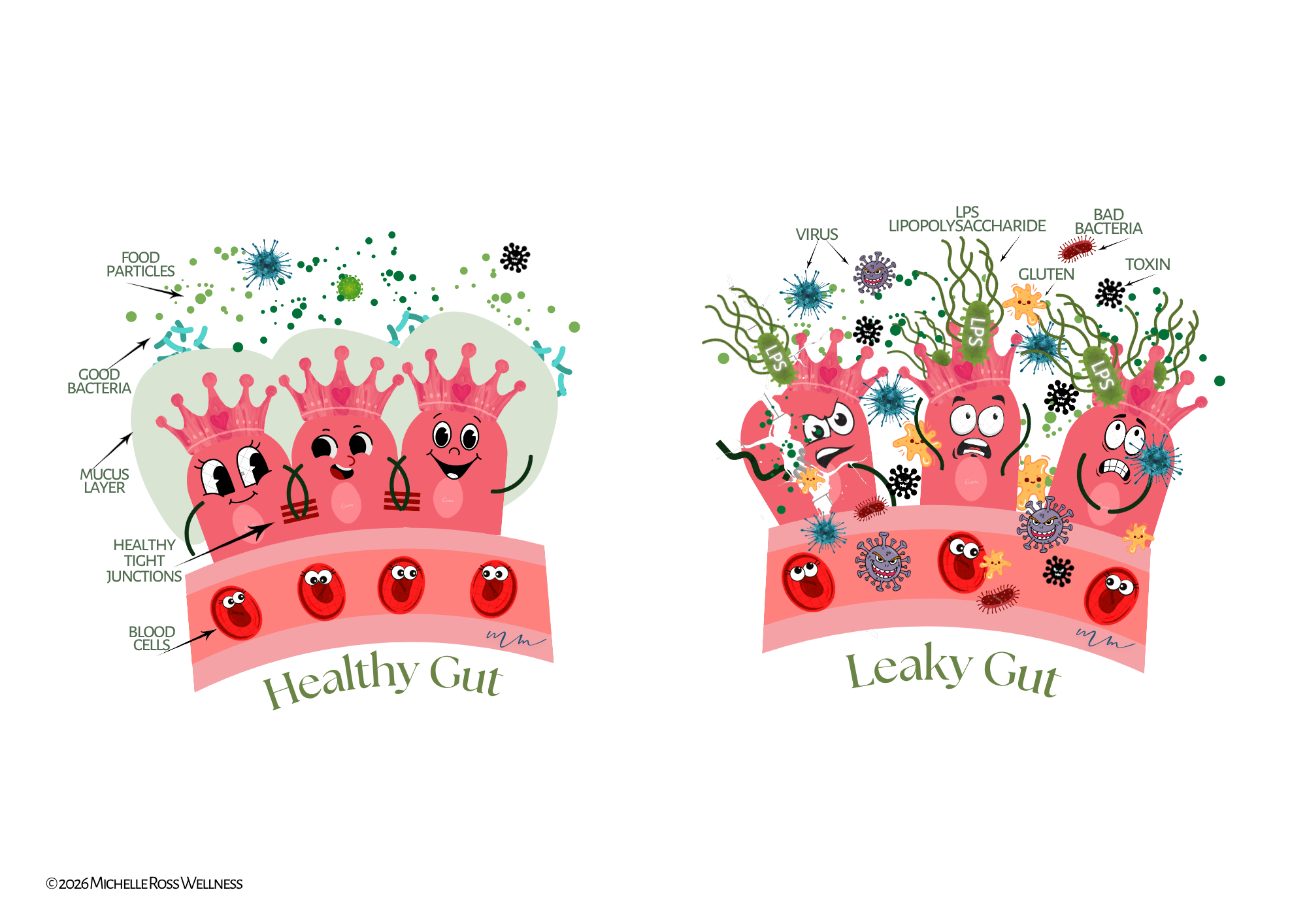
You can eat a nearly perfect diet and still become nutrient deficient if your digestive system isn’t properly breaking down and absorbing the nutrients in your food. This is one reason I often say that healthy bones begin in the gut. Even the highest-quality supplements can’t do their job if your body isn’t able to absorb and utilize them.
Your digestive tract is responsible for absorbing many of the nutrients essential for bone health, including calcium, magnesium, vitamin D, vitamin K, protein, and trace minerals. When digestion or absorption is impaired, your body simply doesn’t have the raw materials it needs to build and maintain strong bones.
Several gut-related conditions have been linked to low bone density, including:
- Celiac disease
- Non-celiac gluten sensitivity
- Hypochlorhydria (low stomach acid)
- Small intestinal bacterial overgrowth (SIBO)
- Pancreatic insufficiency
- Inflammatory bowel disease (Crohn’s disease and ulcerative colitis)
- Dysbiosis (an imbalance in the gut microbiome)
- Chronic diarrhea or other malabsorptive conditions
Rather than simply asking, “Am I getting enough calcium?” a better question is, “Am I actually absorbing the nutrients my bones need?” Functional medicine looks beyond nutrient intake alone and investigates whether your digestive system is creating the environment necessary for healthy bone remodeling.
Research supports screening everyone diagnosed with osteopenia or osteoporosis for celiac disease, as it is one of the most common and under-recognized causes of low bone density. Damage to the small intestine can impair the absorption of calcium, vitamin D, magnesium, and other nutrients essential for building healthy bone. At the same time, ongoing immune activation and inflammation can accelerate bone breakdown. For individuals with celiac disease or gluten sensitivity, following a strict gluten-free diet has been shown to improve nutrient absorption, reduce inflammation, and support improvements in bone mineral density over time.
When gluten-related disorders are suspected, I often recommend the Wheat Zoomer because it looks far beyond traditional celiac testing. It helps differentiate between celiac disease, non-celiac gluten sensitivity, non-gluten wheat sensitivity, and gluten-related autoimmune responses. It also evaluates biomarkers associated with intestinal permeability (“leaky gut”) and bacterial lipopolysaccharides (LPS), both of which can contribute to chronic inflammation and immune dysregulation. Since impaired gut function can significantly reduce nutrient absorption, identifying these underlying issues is an important step in addressing the root cause of bone loss rather than simply treating the symptoms. The Wheat Zoomer uses microarray technology to evaluate a broader range of wheat- and gluten-related antibodies than conventional celiac testing.
Hormones
Hormones are powerful regulators of bone remodeling, and their decline is one of the biggest reasons bone loss accelerates with age.
In women, estrogen plays a critical role in protecting bone health, and the decline in estrogen during menopause has a profound impact on bone remodeling. During the first five to seven years after menopause, women may lose up to 20% of their bone mass. In men, low testosterone can also contribute to bone loss over time. Thyroid health is equally important for both women and men. An overactive thyroid, or taking more thyroid hormone than the body needs, can accelerate bone breakdown. Low DHEA and imbalances in other hormones may also contribute to declining bone density.
Optimizing and monitoring these hormones is a core part of any thorough bone-health plan.
Stress and Cortisol
Stress isn’t just something we feel. It’s a physiological response that can have real consequences for our bones. Chronically elevated cortisol, whether from ongoing stress, poor sleep, or long-term use of glucocorticoid medications, can suppress bone formation and increase bone breakdown. Over time, this imbalance can contribute to lower bone density and a higher risk of osteoporosis.
Managing stress isn’t simply about feeling calmer. It’s an important part of supporting healthy bone remodeling. Practices such as nervous system regulation, regular movement, restorative sleep, time in nature, meaningful relationships, and periods of recovery all help create an internal environment that supports stronger bones.
Because stress and sleep are so closely connected, let’s look at why getting enough high-quality sleep is another essential ingredient for healthy bones.
Sleep
Sleep is one of the most important times for your body to repair and regenerate, and your bones are no exception. Research continues to show that poor sleep quality, disrupted circadian rhythms, and night-shift work can interfere with normal bone remodeling and are associated with lower bone density and a higher risk of fractures.
Your circadian rhythm influences many of the hormones involved in bone health, including cortisol, growth hormone, and melatonin. One of the simplest ways to support this natural rhythm is to get outside for morning sunlight soon after waking. Morning light helps synchronize your internal clock, supporting healthy hormone production, tissue repair, and normal bone remodeling throughout the day.
If you’re working to build stronger bones, don’t overlook the importance of sleep. Prioritizing consistent, restorative sleep and supporting your circadian rhythm belong on the same list as eating enough protein, lifting weights, and nourishing your body with the nutrients it needs.
Even small improvements in sleep quality, such as maintaining a consistent bedtime, limiting bright light at night, and getting morning sunlight, can support healthier circadian rhythms over time.
Medications That Can Contribute
Many people are surprised to learn that medications prescribed for completely different health conditions can sometimes contribute to bone loss. That doesn’t mean these medications are “bad” or should never be used. In some cases, they are essential. However, understanding their potential effects on bone health allows you and your healthcare provider to take proactive steps to monitor and protect your bones.
Some of the medications most commonly associated with reduced bone density include:
- Glucocorticoids (steroids such as prednisone)
- Aromatase inhibitors (used in breast cancer treatment)
- Anticonvulsants (certain anti-seizure medications)
- Proton pump inhibitors (PPIs or acid-blocking medications)
- Selective serotonin reuptake inhibitors (SSRIs, a class of antidepressants)
- Excess thyroid hormone replacement (taking more thyroid hormone than your body needs)
If you’re taking one of these medications, it doesn’t mean bone loss is inevitable. It simply means bone health deserves a little more attention and a proactive plan.
Never stop or change a prescribed medication without first speaking with your healthcare provider. Instead, view this information as another opportunity to be proactive. If you’re taking one of these medications long term, consider discussing your bone health with your healthcare provider. You may benefit from additional monitoring and a personalized plan that includes nutrition, resistance training, and other lifestyle strategies to help support healthy bone remodeling.
Lifestyle Habits That Matter
Beyond nutrition and exercise, several everyday habits can significantly influence bone health. Smoking accelerates bone loss by reducing blood flow to bone tissue, increasing oxidative stress, impairing osteoblast function, and decreasing calcium absorption. Excessive alcohol intake also interferes with bone remodeling, reduces calcium absorption, disrupts hormone balance, and increases the risk of falls and fractures.
The good news is that these are modifiable risk factors. Quitting smoking and limiting alcohol intake are two of the most impactful lifestyle changes you can make to protect your bones.
Nutrition: Feed the Whole Process
Prioritize Protein
Protein is the foundation of healthy bone. Roughly half of bone’s volume is made up of protein, providing the collagen-rich framework that minerals attach to. Research consistently shows that adequate protein intake is associated with better bone mineral density and a lower risk of hip fractures.
Because bone is built on a collagen matrix, getting enough total protein, including a full range of essential amino acids, is important for maintaining bone structure and supporting repair.
Aim for approximately 1.0 to 1.2 grams of protein per kilogram of body weight each day, and even more during illness, recovery, or periods of strength training. A simple red flag is eating less than half your body weight (in pounds) in grams of protein each day. For example, if you weigh 150 pounds, consistently eating less than about 75 grams of protein daily may not provide enough building blocks for healthy bones.
Focus on high-quality protein sources such as wild-caught salmon, pasture-raised chicken, grass-fed beef, eggs, legumes, and Greek yogurt or cottage cheese if dairy is well tolerated.
Prioritize an Anti-Inflammatory Diet
Healthy bones don’t just need nutrients. They also need an environment that supports bone remodeling. Chronic inflammation shifts the balance toward breaking down bone faster than it can be rebuilt, which is why an anti-inflammatory eating pattern is an important part of any bone health plan.
Focus on whole, minimally processed foods that provide a wide variety of vitamins, minerals, healthy fats, antioxidants, and phytonutrients. Build your meals around colorful vegetables, quality protein, healthy fats, nuts, seeds, herbs, spices, and lower-glycemic fruits. At the same time, avoid ultra-processed foods, refined sugars, industrial seed oils, and excessive alcohol, all of which can contribute to inflammation and poor metabolic health.
Many people also notice improvements in inflammation, blood sugar regulation, digestive health, and overall well-being when following a Paleo-style diet that emphasizes whole foods while eliminating processed foods, added sugars, and grains. For individuals with celiac disease or gluten sensitivity, a strict gluten-free diet is essential and may also support improvements in bone mineral density by reducing inflammation and improving nutrient absorption.
An anti-inflammatory, whole-food dietary pattern naturally supports healthy blood sugar regulation. Elevated insulin and blood sugar don’t just increase the risk of type 2 diabetes. They also promote inflammation, impair healthy collagen cross-linking, and are associated with poorer bone quality. Choosing nutrient-dense, minimally processed foods that support healthy blood sugar is another important way to protect your bones over the long term.
Blood sugar isn’t just about diabetes. It’s also an important part of building stronger bones.
Rather than focusing on one specific diet, the goal is to choose a sustainable way of eating that reduces inflammation, supports a healthy gut and microbiome, stabilizes blood sugar, and provides the nutrients your bones need to thrive.
Choose Food-First Sources of Calcium
Calcium is important, but more isn’t always better. Rather than relying on large doses of supplements, aim to meet most of your calcium needs through food, with total intake from food and supplements generally falling around 1,000 to 1,200 mg per day for most older adults.
Excellent calcium-rich foods include sardines and canned salmon with the bones, plain yogurt or kefir if tolerated, sesame seeds, tahini, chia seeds, and leafy greens such as kale, collards, and bok choy. While spinach and Swiss chard contain calcium, they are also high in oxalates, which bind to calcium and limit how much your body can actually use.
Don’t Forget the Supporting Nutrients
Calcium doesn’t work alone. Healthy bones depend on an entire team of vitamins, minerals, healthy fats, and proteins working together to build collagen, regulate bone remodeling, and help direct calcium into the skeleton instead of soft tissues. Focusing on one nutrient while overlooking the others is one reason so many bone health plans fall short.
Vitamin D helps your body absorb calcium and plays an essential role in bone remodeling. Rather than guessing, I recommend testing your vitamin D level so supplementation can be personalized to your needs.
Vitamin K2 activates proteins that help guide calcium into your bones, where it belongs, instead of allowing it to accumulate in soft tissues. Some of the best food sources include natto, egg yolks, and fermented or grass-fed dairy products, if they’re well tolerated.
Magnesium is involved in hundreds of biochemical reactions throughout the body, including bone formation and vitamin D metabolism. It’s also one of the most common nutrient deficiencies I see in practice. Pumpkin seeds, almonds, spinach, black beans, and even a little dark chocolate are all good sources.
Silicon is an often-overlooked mineral that supports collagen formation and the structural integrity of bone. You’ll find it in foods like green beans, certified gluten-free oats, bananas, cucumbers, and other whole plant foods.
Copper, zinc, boron, and manganese are equally important. These trace minerals help build and maintain the collagen-rich bone matrix and support the enzymes involved in healthy bone remodeling. A colorful, whole-food diet that includes nuts, seeds, legumes, seafood, fruits, and vegetables is one of the best ways to obtain them.
Vitamin B12 and folate support bone indirectly by helping maintain homocysteine within a healthy range. Vitamin B12 is found primarily in animal foods such as eggs, fish, meat, and dairy, while leafy greens, legumes, asparagus, and avocado are good sources of folate.
Healthy Fats Matter, Too
One aspect of bone health that often gets overlooked is the balance between omega-6 and omega-3 fats. Both are essential fatty acids, meaning your body cannot make them and must obtain them through food.
The problem isn’t omega-6 itself. It’s that the modern diet is overloaded with highly processed, oxidized omega-6 fats from industrial seed oils, while falling short on anti-inflammatory omega-3s.
Wild-caught salmon, sardines, mackerel, and anchovies are excellent sources of EPA and DHA, the omega-3 fats most strongly associated with helping regulate inflammation. When choosing supplemental fats, I also prefer products that provide a balanced ratio of the essential fatty acids linoleic acid (LA) and alpha-linolenic acid (ALA), ideally around 4:1, rather than dramatically increasing one while neglecting the other.
Finally, zoom out and look at your overall dietary pattern. A nutrient-dense, anti-inflammatory diet rich in colorful fruits and vegetables, herbs and spices like turmeric, healthy fats, and adequate vitamins C, A, and E helps regulate the chronic inflammation that accelerates bone loss. Supporting healthy homocysteine levels with vitamin B12, folate, vitamin B6, and phosphatidylcholine provides another layer of support for long-term bone health.
The goal isn’t to chase a single “super nutrient.” Healthy bones are built from the combined actions of proteins, vitamins, minerals, healthy fats, movement, and healthy lifestyle habits, all working together the way the body was designed to function.
Did You Know? Several randomized controlled trials have found that eating about 5 to 6 prunes (50 g) daily may help preserve bone mineral density in postmenopausal women. Researchers believe their unique combination of polyphenols, potassium, vitamin K, and fiber may help reduce bone breakdown.
Movement: The Strongest Signal You Control
Bone responds to load. When muscles pull on bone and bones experience impact, they receive the signal to become stronger.
Wolff’s Law: Your Bones Adapt to How You Move
Bones are living tissue that constantly remodel themselves. They become stronger when they experience healthy, appropriately directed mechanical loading, a principle known as Wolff’s Law. Too little loading leads to bone loss, while regular resistance training and impact exercise signal the body to maintain and build bone. The key is that the load has to be meaningful, which is exactly why higher-intensity training, like the LIFTMOR program below, works so well.
Progressive Resistance Training
Progressive resistance training is the cornerstone of any bone-building exercise program. “Progressive” simply means gradually increasing the challenge over time by adding a little more weight, resistance, or difficulty as your body adapts. This continual challenge encourages your bones to keep remodeling and becoming stronger.
The landmark LIFTMOR trial showed that postmenopausal women with low bone mass significantly improved bone density at both the spine and hip after participating in a supervised resistance and impact training program twice a week. The exercises appropriately progressed to a high intensity as participants became stronger and were performed safely under professional supervision. This study challenged the long-held belief that people with osteopenia or osteoporosis should avoid resistance training or lifting heavier weights.
Recent research also highlights the importance of preserving lean muscle mass as we age. Because muscle and bone work together, researchers have become increasingly interested in nutrients that support muscle health. Creatine is one of the most promising. While it’s often associated with athletes, creatine has been shown to help support muscle strength and lean muscle mass, particularly when combined with resistance training. Although more research is needed to fully understand its direct effects on bone density, preserving muscle is an important strategy for protecting bone health.
Proper instruction, good technique, and gradual progression are essential, especially if you’ve already been diagnosed with osteopenia or osteoporosis.
Weight-Bearing and Impact Exercise
Weight-bearing activities provide another important stimulus for healthy bones. Brisk walking, hiking, dancing, stair climbing, and racquet sports all encourage bone remodeling. If it’s appropriate for your fitness level, adding gentle impact activities such as jumping or rebounding on a mini-trampoline can provide an even stronger bone-building signal. The Bellicon rebounder is a popular option because it offers lower joint stress than jumping on a hard surface.
Anyone with osteoporosis, previous fractures, significant balance problems, or spinal compression fractures should get individualized guidance from a qualified professional before beginning impact exercise.
Balance Training
Building stronger bones is only part of the equation. Preventing falls is equally important. Tai chi, yoga, single-leg balance exercises, and heel-to-toe walking can all improve balance and coordination, reducing the likelihood of falls and the fractures that often follow.
Move Well, Not Just More
How you move matters, not just how much. Poor posture, muscle weakness, limited mobility, and altered movement patterns can place uneven stress on certain joints and bones. Improving alignment, balance, strength, and movement quality may reduce unnecessary joint stress while allowing you to safely perform the weight-bearing exercises that help maintain bone.
Posture influences fracture risk. Maintaining good posture and spinal strength helps distribute forces more evenly through the skeleton. Combined with strong back and hip muscles, this may reduce falls, improve balance, and decrease the risk of vertebral compression fractures.
Your feet are your foundation. Healthy feet support walking, balance, and resistance exercise. Foot pain, poor footwear, or reduced ankle mobility can limit physical activity, indirectly contributing to bone loss over time.
Vibration Plates
Whole-body vibration plates have received a great deal of attention over the past several years. The research suggests they can modestly improve balance, muscle strength, and may help reduce fall risk, all of which are important for maintaining independence and preventing fractures. Their direct effects on bone mineral density are smaller and less consistent, so I view them as a helpful addition to a comprehensive bone health program rather than a replacement for progressive resistance training.
Bone health isn’t just about calcium. Healthy bones depend on the combined effects of muscle strength, balance, posture, joint mobility, and regular mechanical loading. The stronger and more efficiently you move, the stronger the signals your skeleton receives to maintain bone.
Lab Tests That Matter
One of the biggest frustrations with bone health is that a DEXA scan changes slowly. You may make meaningful improvements in your nutrition, exercise routine, and lifestyle, but not see those changes reflected on a scan for one or two years.
That’s why I often recommend looking beyond the DEXA scan. The right laboratory tests can help identify why bone is being lost, uncover nutrient deficiencies and hormone imbalances, and monitor whether your treatment plan is moving you in the right direction.
Bone and Mineral Status
These tests provide valuable information about bone remodeling and whether your body has the nutrients needed to build strong bones.
- DEXA scan evaluates bone mineral density.
- P1NP measures new bone formation.
- CTX measures bone breakdown (bone resorption).
- Vitamin D (25-OH Vitamin D) helps determine whether vitamin D levels are adequate.
- RBC Magnesium may provide a better assessment of magnesium status than a standard serum magnesium level.
- Parathyroid hormone (PTH) helps regulate calcium and vitamin D metabolism.
- Copper and zinc are essential for collagen formation and healthy bone remodeling.
- CBC and CMP provide important information about overall health, kidney and liver function, calcium status, and other factors that can influence bone health.
Thyroid Function
Because thyroid hormones directly influence bone remodeling, a comprehensive thyroid evaluation is often warranted.
- TSH
- Free T3
- Free T4
- Reverse T3
- Thyroid peroxidase (TPO) antibodies
- Thyroglobulin antibodies
Root Causes and Inflammation
Functional medicine focuses on identifying why bone is being lost.
Important tests may include:
- Celiac testing (or more comprehensive gluten testing when appropriate)
- Homocysteine
- High-sensitivity C-reactive protein (hs-CRP)
- Fasting insulin
- Hemoglobin A1c
Hormones
Depending on your age, symptoms, and medical history, your practitioner may also recommend evaluating:
- Estradiol
- Progesterone
- Testosterone
- DHEA
- IGF-1
One of my favorite tools for monitoring bone health is the combination of P1NP and CTX, two markers that measure how quickly your bones are being built and broken down. Unlike a DEXA scan, which may take one to two years to show meaningful changes, these bone turnover markers often respond within three to six months. That means we don’t have to wait years to know whether your nutrition, strength training, hormone optimization, and lifestyle changes are moving you in the right direction. We can evaluate your progress much sooner and adjust your plan if needed.
A Note on Supplements
Supplements can play an important role, but they work best when the foundation is already in place. No supplement can replace adequate protein, resistance training, good sleep, a healthy gut, balanced hormones, or addressing the underlying cause of bone loss.
There are many bone health supplements on the market, each with different mechanisms, strengths, and levels of supporting evidence. Rather than choosing based on marketing claims, I recommend selecting products based on your individual nutrient status, overall health, and bone health goals.
Things You Can Start Today
Start Here:
- ✓ Lift weights twice per week
- ✓ Eat 25 to 35 grams of protein at each meal
- ✓ Get outside every morning
- ✓ Prioritize sleep
- ✓ Address blood sugar
- ✓ Don’t smoke
- ✓ Build balance
- ✓ Monitor bone turnover markers
- ✓ Evaluate your gut
- ✓ Review your medications with your prescribing provider(s) or pharmacist to determine whether any may be contributing to bone loss.
- ✓ Test vitamin D, K, zinc, copper, and magnesium, and optimize any that are low
The Bottom Line
The diagnosis of osteopenia or osteoporosis is not simply a prescription for medication. It is an invitation to ask a deeper question:
Why is my body losing bone?
When we answer that question and address the root causes, including nutrition, muscle, hormones, inflammation, gut health, sleep, stress, and the signals we send through movement, we often create an environment where healthy bone remodeling can occur. Bone is living tissue. It responds to nourishment, movement, hormones, and the signals we send it every day.
The earlier we begin supporting bone health, the more opportunity we have to preserve independence, prevent fractures, and stay active for decades to come.
References
Bone Remodeling, Peak Bone Mass & Aging
- Osteoporosis in Females. StatPearls. Bone remodeling, peak bone mass, and secondary causes. NCBI Bookshelf
- Primary Osteoporosis in Postmenopausal Women. Review. PMC5643776
Bone Matrix, Collagen & Vitamin C
- Role of Vitamin C in Osteoporosis Development and Treatment. Literature review. PMC7469000
- Total and Supplemental Vitamin C Intake and Hip Fracture Risk. Framingham Osteoporosis Study. PMC2766028
- Vitamin C Intake and Bone Mineral Density, Hip Fracture, and Osteoporosis. Systematic review and meta-analysis. PubMed
- Specific Collagen Peptides Improve Bone Mineral Density and Bone Markers in Postmenopausal Women. Randomized controlled trial (König 2018). PMC5793325
Gut Health, Gluten & Celiac Disease
- Bone Mineral Density at Diagnosis of Celiac Disease and After One Year of a Gluten-Free Diet. PMC4213989
- Osteoporosis in a North American Adult Population with Celiac Disease. PubMed
- Prevalence of Osteoporosis and Osteopenia in Celiac Disease. Systematic review. PubMed
- The Dietary and Non-Dietary Management of Osteoporosis in Adult-Onset Celiac Disease. MDPI
Hormones & Bone Health
- Estrogen Deficiency and Bone Loss: An Inflammatory Tale. PMC1451218
- Osteoporosis Due to Hormone Imbalance (Estrogen Deficiency & Glucocorticoid Overuse). PMC8836058
Stress, Cortisol & Glucocorticoids
- Mechanisms of Glucocorticoid-Induced Osteoporosis. PubMed
- Pathogenic Mechanisms of Glucocorticoid-Induced Osteoporosis. 2023 Review. PMC10518688
Sleep & Circadian Rhythm
- Short Sleep Is Associated with Low Bone Mineral Density and Osteoporosis. Women’s Health Initiative. PMC8223077
- Sleep Disruption and Bone Health. Review. PMC10108658
Inflammation, Insulin Resistance & Bone Quality
- Advanced Glycation End Products and Bone Material Strength in Type 2 Diabetes. PMC4891790
- Advanced Glycation End Products, Diabetes, and Bone Strength. PMC5104767
- Role of AGEs and Oxidative Stress in Type 2 Diabetes-Induced Bone Fragility and Fracture Risk. PMC10135862
Lifestyle: Smoking & Alcohol
- Alcohol Consumption and Fracture Risk. Dose-response meta-analysis. PMC10334160
- Alcohol Consumption, Bone Mineral Density, and Risk of Osteoporotic Fractures. PMC8835521
- Cigarette Smoking, Bone Mineral Density, and Hip Fracture Risk. Meta-analysis. PMC2127590
- Smoking and Fracture Risk. Meta-analysis. PubMed
Medications Associated with Bone Loss
- Antidepressants and Vertebral/Hip Fracture Risk. Updated systematic review and meta-analysis. PubMed
- Proton Pump Inhibitors and Risk of Fractures. Meta-analysis (11 studies). PMC3101476
- Proton Pump Inhibitors and Risk of Hip Fracture. Systematic review and meta-analysis. PubMed
- Serotonin Reuptake Inhibitors (SSRIs) and Bone Health. PMC6372777
Movement, Muscle & Exercise
- Creatine Supplementation During Exercise for Postmenopausal Bone Health. 2-year randomized controlled trial. PMC10487398
- Effects of Creatine and Resistance Training on Bone Health in Postmenopausal Women. PubMed
- Creatine Plus Resistance Training on Lean Tissue Mass and Strength in Older Adults. Meta-analysis. PMC5679696
- High-Intensity Resistance and Impact Training (LIFTMOR Trial). Randomized controlled trial. Oxford Academic
- Whole-Body Vibration and Bone Mineral Density in Postmenopausal Women. Overview of systematic reviews. Springer
- Whole-Body Vibration Training and Bone Mineral Density in Older Adults. 2025 systematic review and meta-analysis. PMC12087579
Nutrition: Protein, Magnesium, Silicon & Vitamin K2
- High vs. Low Dietary Protein Intake and Bone Health in Older Adults. Systematic review and meta-analysis. PubMed
- Dietary Protein Intake, Bone Mineral Density and Fracture Risk. Health, Aging and Body Composition Study. PMC8599066
- Dietary Magnesium Intake, Bone Mineral Density and Fracture Risk. Systematic review and meta-analysis. PubMed
- Magnesium Intake, Bone Mineral Density, and Fractures. Women’s Health Initiative. PMC3953885
- Dietary Silicon Intake Positively Associated with Bone Mineral Density. Framingham Study. PubMed
- Silicon and Bone Health. Review. PMC2658806
- Vitamin K2 in Prevention and Treatment of Postmenopausal Osteoporosis. PMC9403798
- Vitamin MK-7 and Bone Mineral Density/Microarchitecture. 3-year randomized controlled trial. Springer
Additional Nutrients: Phosphorus, Amino Acids, Vitamin A, B12 & Folate
- Calcium and Phosphate: A Duet of Ions Playing for Bone Health. PubMed
- Importance of Dietary Phosphorus for Bone Metabolism and Healthy Aging. PMC7599912
- Amino Acid Intakes Associated With Bone Mineral Density and Low Bone Mass in Women. Discordant twin study. PubMed
- Circulating Amino Acids, Bone Mineral Density Decline and Fracture Risk in Older Adults. PMC6925590
- Excessive Dietary Vitamin A, Reduced Bone Mineral Density and Increased Hip Fracture Risk. PubMed
- Vitamin A and Fracture Risk. Meta-analysis of cohort studies. PMC5615580
- BCO1 (BCMO1) Polymorphisms Alter Beta-Carotene Conversion to Vitamin A. PubMed
- Vitamin B12, Folate, Homocysteine and Bone Health. Systematic review with meta-analyses. PMC3590816
Mechanical Loading & Wolff’s Law
- Boning Up on Wolff’s Law: Mechanical Regulation of the Cells That Make and Maintain Bone. PubMed
- Physiology, Bone Remodeling. StatPearls. NCBI Bookshelf
- Significance of Mechanical Loading in Bone Regeneration and Remodeling. PMC10214107
Prunes (Dried Plums) & Bone Density
- Low-Dose Daily Prunes Preserve Hip Bone Mineral Density. 12-month randomized controlled trial (The Prune Study). PMC9193411
- Prunes Preserve Cortical Density and Estimated Strength of the Tibia. 12-month randomized controlled trial. PubMed
- Effects of Prunes on Bone Density in Humans. Systematic review and meta-analysis of randomized controlled trials. PubMed
Disclaimer: This article is for educational purposes and does not constitute medical advice. Osteoporosis management should be individualized with a qualified healthcare provider, especially if you have high fracture risk or take medications. Do not start, stop, or change any treatment or medication based on this article alone.


Thank you, Michelle!!! This article was very helpful and informative. I greatly appreciate your time and effort in sharing this information with all of us! We are truly blessed to have you! Have a wonderful weekend! Hugs!